
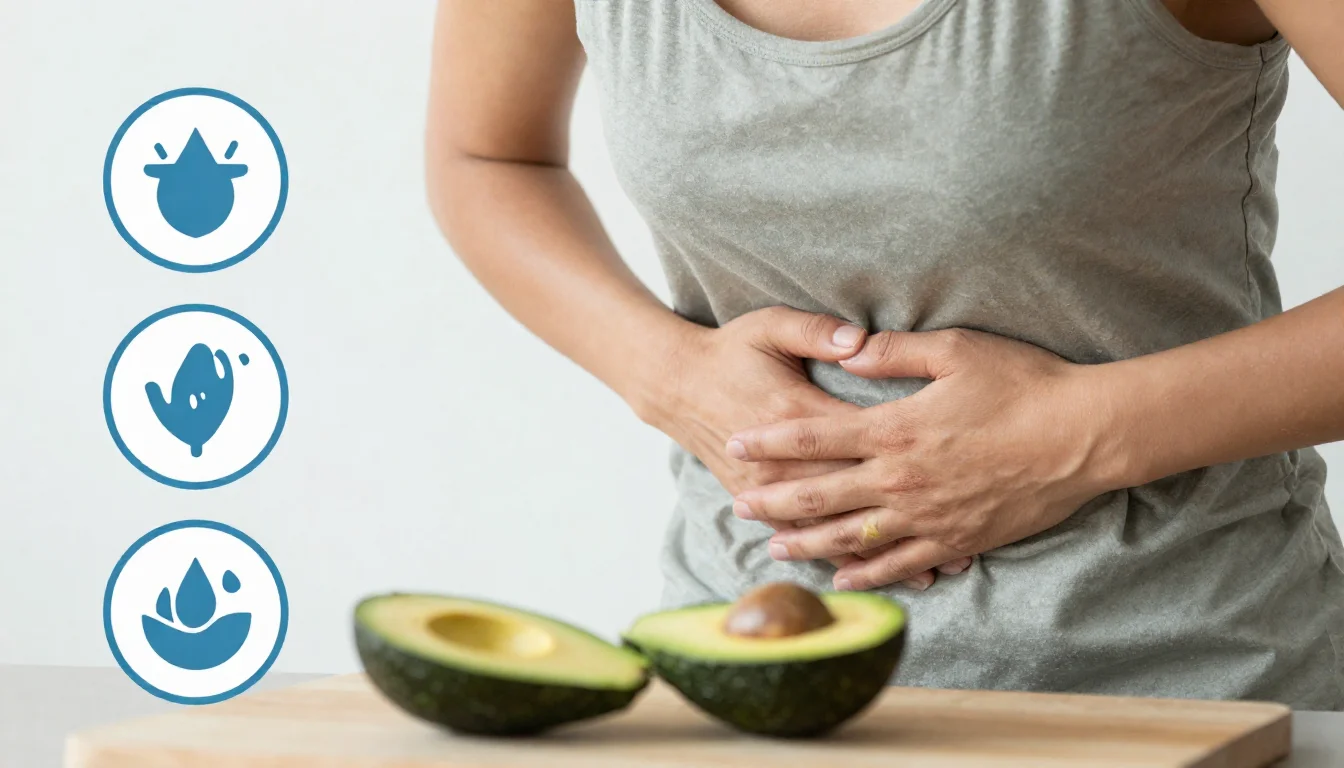
Why Do I Get Stomach Pains After Eating Avocado?
Avocados are considered one of the healthiest foods in the world. They’re packed with fiber, healthy fats, vitamins, and antioxidants. However, some people experience stomach pains after eating avocado, ranging from mild bloating to severe abdominal cramps.
If avocado leaves you feeling uncomfortable, you’re not alone. Several digestive and medical conditions may explain why your stomach hurts after eating avocado.
Can Avocado Cause Stomach Pain?
Yes. While avocado is safe for most people, it can trigger digestive symptoms in certain individuals.
Common symptoms include:
- Stomach cramps
- Abdominal pain
- Bloating
- Gas
- Nausea
- Diarrhea
- Indigestion
- Feeling overly full
The underlying cause often determines the severity of symptoms.
1. Avocado Intolerance
One of the most common reasons for stomach pain after eating avocado is food intolerance.
Unlike a food allergy, intolerance affects digestion rather than the immune system.
Symptoms of Avocado Intolerance
- Bloating
- Stomach cramps
- Excessive gas
- Diarrhea
- Nausea
- Digestive discomfort
Symptoms may appear within a few hours after consumption.
2. FODMAP Sensitivity
Avocados contain certain carbohydrates known as FODMAPs.
People with digestive sensitivity may struggle to digest these compounds properly.
This can lead to:
- Bloating
- Stomach pain
- Gas
- Constipation
- Diarrhea
Individuals with IBS often notice symptoms after consuming larger portions of avocado.
3. Irritable Bowel Syndrome (IBS)
People with Irritable Bowel Syndrome frequently experience digestive flare-ups after eating trigger foods.
For some individuals, avocado may trigger:
- Abdominal cramping
- Gas
- Bloating
- Bowel changes
- Digestive discomfort
The reaction varies from person to person.
4. High Fat Content
Although avocado contains healthy fats, these fats still require digestion.
Eating a large amount of avocado may cause:
- Delayed stomach emptying
- Indigestion
- Nausea
- Abdominal pressure
- Mild stomach pain
People with gallbladder issues may be especially sensitive.
5. Avocado Allergy
In rare cases, stomach pain may be part of an allergic reaction.
Avocado Allergy Symptoms
- Stomach pain
- Nausea
- Vomiting
- Itchy mouth
- Swollen lips
- Hives
- Difficulty breathing
Seek emergency medical care if severe allergic symptoms occur.
6. Latex-Fruit Syndrome
Some people who are allergic to latex may also react to avocado.
This condition is known as Latex-Fruit Syndrome.
Associated symptoms may include:
- Oral itching
- Digestive discomfort
- Stomach pain
- Swelling
- Allergic reactions
7. Eating Too Much Avocado
Even healthy foods can cause digestive upset when consumed in excess.
Large servings may increase:
- Fiber intake
- Fat intake
- Digestive workload
This can contribute to abdominal discomfort and bloating.
8. Digestive Disorders
Underlying digestive conditions may make avocado harder to tolerate.
Examples include:
- IBS
- Gastritis
- Functional dyspepsia
- Gallbladder disease
- Food sensitivities
If symptoms occur regularly, medical evaluation may be helpful.
9. Combination With Other Foods
Sometimes avocado is not the true cause.
Symptoms may be triggered by foods commonly eaten with avocado, such as:
- Dairy products
- Bread
- Eggs
- Spicy foods
- High-fat meals
A food diary can help identify the actual trigger.
What Does Avocado Stomach Pain Feel Like?
People describe avocado-related stomach pain as:
- Cramping
- Pressure
- Bloating
- Sharp abdominal pain
- Burning sensation
- General digestive discomfort
Symptoms may range from mild to severe.
How to Relieve Stomach Pain After Eating Avocado
Drink Water
Proper hydration supports digestion.
Reduce Portion Sizes
Smaller servings may be easier to tolerate.
Avoid Trigger Foods
Pay attention to foods eaten alongside avocado.
Follow a Low-FODMAP Diet
If you have IBS, reducing FODMAP intake may help.
Rest Your Digestive System
Choose simple, easy-to-digest meals until symptoms improve.
When Should You See a Doctor?
Contact a healthcare professional if:
- Symptoms happen every time you eat avocado
- Pain is severe
- You develop vomiting
- Blood appears in the stool
- You experience weight loss
- Symptoms interfere with daily life
Can You Still Eat Avocado?
Many people can continue eating avocado by reducing portion sizes.
However, individuals with allergies should avoid avocado completely unless advised otherwise by a healthcare provider.
Final Thoughts
Experiencing stomach pains after eating avocado can result from food intolerance, IBS, FODMAP sensitivity, digestive disorders, or, in rare cases, an allergy. Understanding the cause is the first step toward finding relief.
If symptoms are mild, dietary adjustments may help. If they are severe or persistent, medical evaluation is recommended to rule out underlying digestive conditions.
FAQ
Why does my stomach hurt after eating avocado?
Common causes include avocado intolerance, IBS, FODMAP sensitivity, digestive disorders, or food allergies.
Can avocado cause bloating and gas?
Yes. Avocado contains fiber and FODMAP compounds that may trigger bloating and gas in sensitive individuals.
Is avocado hard to digest?
For some people, the fat and fiber content may make digestion more difficult.
Can avocado trigger IBS symptoms?
Yes. Many people with IBS report bloating and stomach pain after eating avocado.
How do I know if I’m allergic to avocado?
Signs include stomach pain, itching, swelling, hives, nausea, or difficulty breathing after consumption.
Leave a Reply