
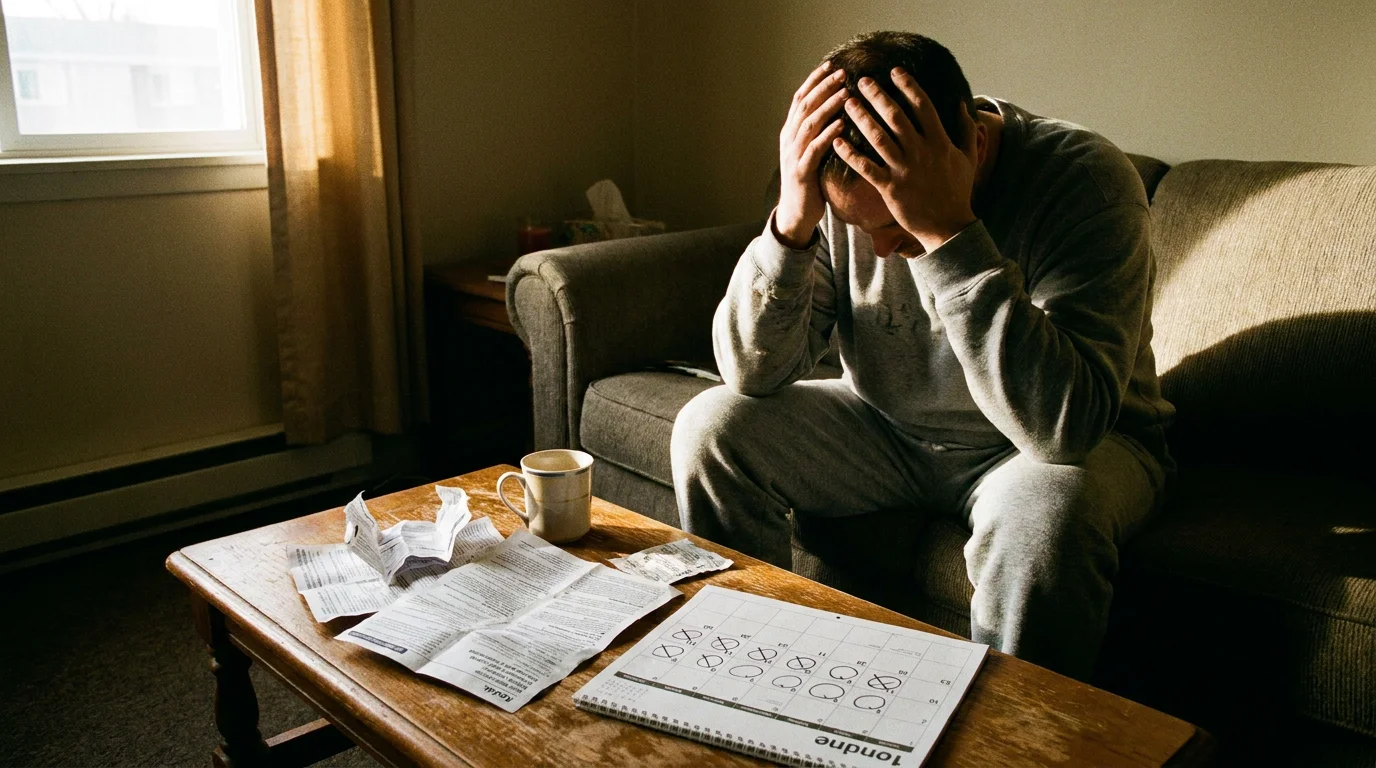
How Do I Know If I Have a Mental Disorder?
Many people ask themselves, “How do I know if I have a mental disorder?” when they notice changes in their mood, thoughts, behavior, sleep, relationships, or ability to manage everyday life. Feeling anxious, sad, stressed, overwhelmed, or emotionally exhausted does not automatically mean that you have a mental disorder. Everyone experiences difficult emotions from time to time.
However, when certain symptoms are persistent, severe, or begin to interfere with work, school, relationships, sleep, or daily activities, it may be helpful to speak with a qualified mental health professional.
Understanding the difference between normal emotional reactions and symptoms that may require professional attention can be an important first step toward getting the right support.
What Is a Mental Disorder?
A mental disorder is a health condition that can affect a person’s emotions, thoughts, behavior, relationships, or ability to function in daily life.
There are many different types of mental disorders, including anxiety disorders, depressive disorders, obsessive-compulsive disorder, post-traumatic stress disorder, bipolar disorder, eating disorders, and other conditions.
Mental health conditions can affect people differently. Two people may have the same diagnosis but experience different symptoms, levels of severity, and effects on their daily lives.
It is also important to remember that experiencing one symptom associated with a mental disorder does not necessarily mean that you have that disorder.
For example, feeling nervous before an important event is common. Feeling anxious almost every day and finding it difficult to control the anxiety may be a reason to seek professional advice.
How Do I Know If I Have a Mental Disorder?
There is no single symptom or online test that can reliably tell you whether you have a mental disorder.
A professional assessment usually considers several factors, including:
- What symptoms you are experiencing.
- How long the symptoms have been present.
- How frequently they occur.
- How severe they are.
- Whether they interfere with everyday life.
- Whether they affect relationships, work, or education.
- Your personal and family history.
- Other physical or medical factors.
- Medications or substances that may affect your symptoms.
Because mental health symptoms can overlap with physical health problems, a professional may also consider whether another health condition could be contributing to what you are experiencing.
Signs That You May Need Mental Health Support
Certain changes may indicate that it would be helpful to talk to a mental health professional.
Persistent Changes in Mood
Everyone experiences changes in mood. However, ongoing sadness, hopelessness, irritability, emotional numbness, or unusually intense mood changes may deserve attention, particularly when they affect your daily functioning.
You might notice that you no longer enjoy activities that previously made you happy or that your emotional reactions seem much stronger or more persistent than usual.
Excessive or Persistent Anxiety
Occasional worry is a normal part of life. However, anxiety may become a concern when excessive fear or worry is difficult to control and begins interfering with everyday activities.
You may constantly anticipate negative outcomes, avoid certain situations, or feel unable to relax.
Physical symptoms such as muscle tension, restlessness, difficulty sleeping, or a racing heart can sometimes accompany anxiety.
Changes in Sleep
Significant changes in sleep can be associated with many different factors, including stress, lifestyle changes, physical health conditions, medications, and mental health conditions.
Pay attention if you consistently have difficulty falling asleep, wake frequently during the night, sleep much more than usual, or feel that your sleep patterns have changed significantly.
Sleep problems alone do not necessarily indicate a mental disorder, but persistent changes may be worth discussing with a healthcare professional.
Changes in Appetite or Weight
Major changes in appetite or eating habits can sometimes occur alongside emotional distress or mental health conditions.
You may notice that you have little interest in food, eat significantly more than usual, or find yourself becoming preoccupied with food, weight, or body image.
These changes can also have physical causes, so professional evaluation can help identify the underlying reason.
Difficulty Concentrating
Difficulty focusing, remembering information, making decisions, or completing tasks can occur during periods of stress, fatigue, anxiety, or emotional distress.
If concentration problems persist and interfere with work, school, or everyday responsibilities, consider discussing them with a healthcare professional.
Withdrawal From Other People
Spending some time alone is normal. However, consistently avoiding friends, family members, social activities, or situations you previously enjoyed may indicate that something is affecting your mental well-being.
Social withdrawal can occur with depression, anxiety, trauma-related conditions, and other difficulties.
Difficulty Managing Everyday Responsibilities
One important question to ask is:
“Are my symptoms making it significantly harder for me to function in everyday life?”
You may struggle to go to work or school, maintain relationships, take care of yourself, manage household responsibilities, or complete routine tasks.
When emotional or psychological symptoms begin significantly affecting daily functioning, professional support may be beneficial.
How Long Do Symptoms Need to Last?
There is no universal amount of time that applies to every mental health condition.
Some mental disorders are associated with symptoms that persist for weeks or longer, while other conditions may involve episodes or symptoms that appear differently over time.
The duration of symptoms is only one part of an assessment.
A mental health professional will also consider the type of symptoms, their intensity, their impact on your life, and other relevant factors.
If something feels significantly different from your usual emotional state and does not seem to be improving, you do not necessarily need to wait for a specific number of weeks before asking for help.
Can an Online Mental Health Quiz Diagnose Me?
Online mental health quizzes can sometimes help you recognize symptoms or decide whether it may be useful to seek professional support.
However, they cannot reliably diagnose a mental disorder.
A screening questionnaire is different from a clinical assessment. Screening tools may identify symptoms that deserve further evaluation, but a qualified professional needs to consider the broader context before making a diagnosis.
For this reason, avoid labeling yourself based solely on a social media post, online quiz, or list of symptoms.
Who Can Diagnose a Mental Disorder?
A qualified mental health professional can evaluate symptoms and determine whether they may meet the criteria for a specific mental health condition.
Depending on your location and healthcare system, professionals involved in mental health assessment may include psychiatrists, psychologists, and other appropriately qualified healthcare professionals.
A primary care doctor can also be a useful starting point, particularly when you are unsure whether your symptoms could have a physical or psychological cause.
What Happens During a Mental Health Assessment?
If you decide to seek professional help, you may be asked questions about your experiences, emotions, thoughts, behavior, sleep, relationships, and daily activities.
The professional may also ask:
- When did your symptoms begin?
- How often do they occur?
- How intense are they?
- What situations make them better or worse?
- How do they affect your everyday life?
- Have you experienced similar symptoms before?
- Are you taking any medications?
- Have you experienced major stressful events?
- Are there any physical symptoms or health concerns?
You do not need to have all the answers before making an appointment.
Being honest about what you are experiencing can help the professional understand your situation more accurately.
Can Stress Cause Mental Health Symptoms?
Yes. Significant or prolonged stress can affect mood, sleep, concentration, energy, and behavior.
Stress may cause symptoms that resemble some mental health conditions, but experiencing stress-related symptoms does not automatically mean that you have a mental disorder.
Sometimes symptoms improve when the stressful situation changes or when a person receives appropriate support.
If symptoms persist, become severe, or interfere with everyday functioning, professional evaluation can help determine what is happening.
Can Physical Health Problems Affect Mental Health?
Yes. Physical health conditions, hormonal changes, sleep problems, medications, and substance use can sometimes influence mood, concentration, anxiety, or behavior.
This is one reason self-diagnosis can be difficult.
A healthcare professional can help determine whether symptoms may be related to a mental health condition, a physical health issue, both, or another factor.
What Should I Do If I Think I Have a Mental Disorder?
If you are concerned about your mental health, consider taking a few practical steps.
1. Write Down Your Symptoms
Keep a simple record of what you have been experiencing, when it happens, and how it affects your daily life.
2. Talk to Someone You Trust
Speaking with a trusted friend or family member can help you feel less isolated and may make it easier to seek professional support.
3. Schedule a Professional Assessment
Consider contacting a psychologist, psychiatrist, primary care doctor, or another qualified healthcare professional.
4. Avoid Self-Diagnosis
Try not to diagnose yourself based solely on internet searches. Symptoms can overlap across many conditions.
5. Take Your Symptoms Seriously
You do not have to wait until your symptoms become overwhelming before seeking help.
Getting support early can make it easier to understand what you are experiencing and identify appropriate treatment or coping strategies.
When Should I Seek Immediate Help?
Some mental health situations require urgent assistance.
If you are thinking about suicide, seriously harming yourself, harming someone else, or feel that you cannot keep yourself safe, seek immediate emergency help or go to the nearest emergency department.
If possible, stay with someone you trust and avoid being alone while you seek help.
If you are in immediate danger, contact your local emergency services.
Does Having a Mental Disorder Mean Something Is Wrong With Me?
No.
Mental disorders are health conditions, not personal failures or signs of weakness.
People can experience mental health difficulties regardless of their age, background, personality, education, career, or circumstances.
Seeking help does not mean that you are weak. It can be a practical step toward understanding your symptoms and improving your quality of life.
Can Mental Disorders Be Treated?
Many mental health conditions can be treated or managed with appropriate professional support.
Treatment depends on the specific condition and the individual’s circumstances. Depending on the situation, treatment may involve psychotherapy, medication, lifestyle changes, support from family or community, or a combination of approaches.
A mental health professional can help determine which options may be appropriate.
Frequently Asked Questions
How do I know if I have a mental disorder?
You cannot reliably determine this from symptoms alone. A qualified mental health professional can evaluate your symptoms, their duration and severity, and how they affect your daily functioning.
Can I diagnose myself with a mental disorder?
Self-diagnosis is not reliable. Online symptom lists and screening tools may help you recognize concerns, but they cannot replace a professional assessment.
Is anxiety always a mental disorder?
No. Anxiety is a normal human emotion. It may become a mental health concern when it is persistent, excessive, difficult to control, or significantly interferes with daily life.
Is feeling depressed the same as having depression?
Not necessarily. People can experience sadness or low mood without having a depressive disorder. A professional assessment considers the overall pattern, duration, severity, and impact of symptoms.
Should I see a psychologist or psychiatrist?
Both can provide mental health support, but their roles can differ. A psychologist may provide psychological assessment and psychotherapy, while a psychiatrist is a medical doctor who can diagnose mental disorders and prescribe medication where appropriate.
What if I am not sure whether my symptoms are serious?
You do not have to know whether your symptoms are “serious enough” before seeking help. If they concern you or interfere with your life, talking to a qualified professional can be a useful first step.
Final Thoughts
If you are asking, “How do I know if I have a mental disorder?”, remember that you do not have to figure everything out on your own.
Changes in mood, anxiety, sleep, concentration, behavior, or relationships can have many possible explanations. Having one or more symptoms does not automatically mean that you have a mental disorder.
The most reliable way to understand what you are experiencing is to speak with a qualified healthcare or mental health professional. They can assess your symptoms, consider other possible causes, and help you determine whether treatment or additional support may be appropriate.
Most importantly, seeking help is a sign that you are taking your well-being seriously—not a sign of weakness.
Medical Disclaimer: This article is intended for educational purposes only and is based on reliable mental health information. It does not replace a professional diagnosis or consultation with a qualified mental health specialist. If you are concerned about your symptoms, consider speaking with a licensed healthcare professional for an accurate assessment.
Read More:
Leave a Reply