
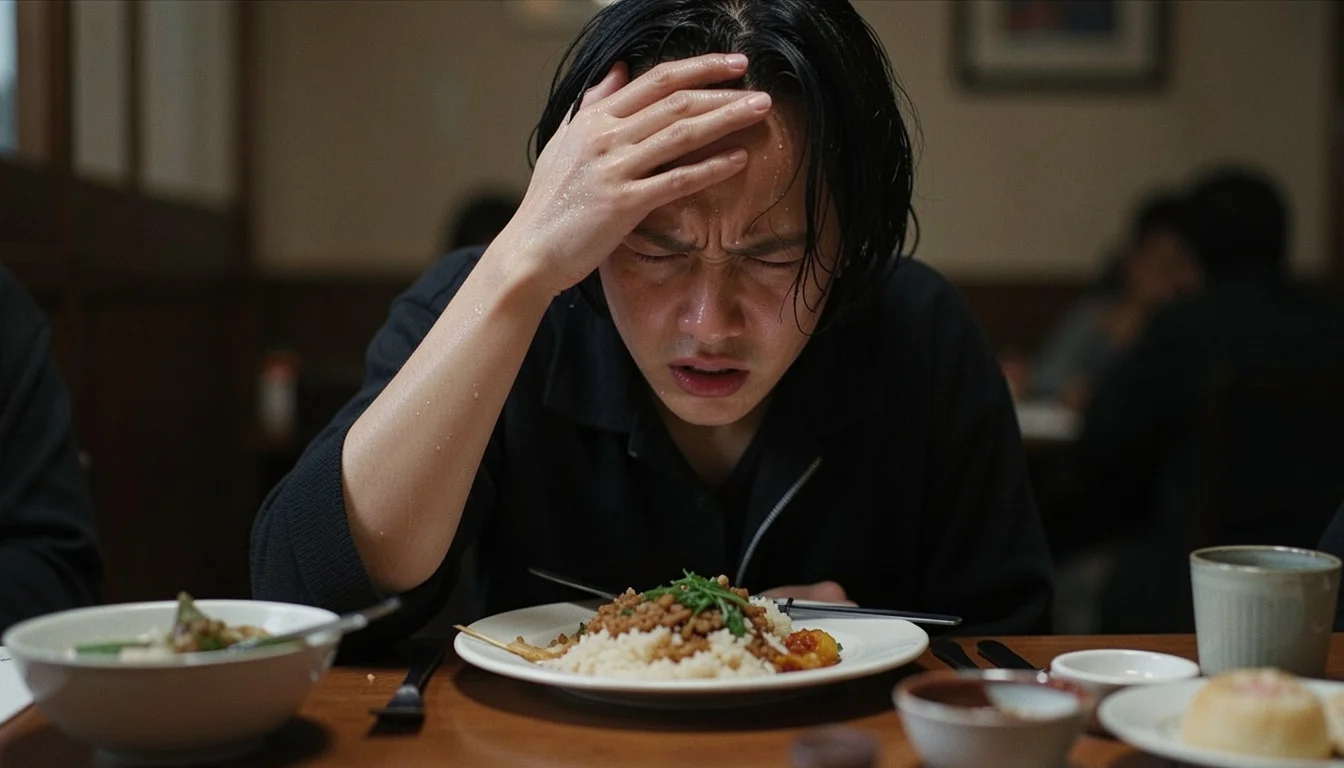
Sudden Sweating and Feeling Faint After Eating: Causes, Mechanisms & Clinical Actions
Quick Answer (TL;DR): Sudden sweating (diaphoresis) and feeling faint (presyncope) after meals are most commonly driven by reactive hypoglycemia (a post-meal blood sugar crash caused by excess insulin release), postprandial hypotension (a drop in blood pressure as blood diverts to the gut), or dumping syndrome (rapid stomach emptying, common after gastric surgery).
Medically reviewed and updated for accuracy.
Experiencing a sudden wave of heat, cold sweat, lightheadedness, or weakness shortly after eating a meal can be unsettling. This combination of symptoms points directly to a rapid shift in vascular volume, blood glucose levels, or autonomic nervous system regulation as your body initiates digestion.
Understanding how your body processes meals helps differentiate simple dietary missteps from underlying metabolic or cardiovascular conditions.
Why Digestion Triggers Sweating and Faintness
When you eat, your digestive system undergoes splanchnic hyperemia—a process where significant volumes of blood are redirected to the stomach and intestines to absorb nutrients.
To maintain baseline blood pressure and brain oxygenation during this massive shift, your cardiovascular and nervous systems must make immediate micro-adjustments:
-
Autonomic Adaptation: The heart pumps faster, and peripheral blood vessels constrict. If this reflex fails, blood pressure plummets (postprandial hypotension).
-
Insulin Dynamics: High-carbohydrate meals trigger rapid glucose absorption. If the pancreas over-secretes insulin, blood sugar plummets 1 to 4 hours post-meal (reactive hypoglycemia).
-
Adrenaline Surge: Both low blood sugar and rapid drops in blood pressure activate an emergency sympathetic nervous system response. Epinephrine (adrenaline) release immediately triggers sweating, trembling, and heart racing.
6 Primary Causes Compared
| Condition | Typical Onset Post-Meal | Primary Mechanism | Key Distinguishing Symptoms |
| Reactive Hypoglycemia | 1 to 4 hours | Excess insulin release causes a rapid blood sugar drop | Trembling hands, intense hunger, clammy sweat, anxiety, brain fog |
| Postprandial Hypotension | 15 to 90 minutes | Inadequate vascular compensation for splanchnic blood pooling | Dizziness upon standing, tunnel vision, feeling faint, pale skin |
| Early / Late Dumping Syndrome |
15–30 mins (Early) 1–3 hours (Late) |
Rapid transit of dense food into the small intestine (common post-gastric surgery) | Severe abdominal cramping, loud gurgling, watery diarrhea, flushing, nausea |
| Gustatory Sweating (Frey’s Syndrome) | Immediately while eating | Nerve misfiring triggering salivary gland sweat responses | Sweating restricted to the face, forehead, neck, or temples during chewing |
| Postprandial Angina / Cardiac Distress | 15 to 60 minutes | Blood flow diverted to gut starves compromised coronary arteries | Heavy chest pressure, shortness of breath, radiating pain to left arm/jaw |
| Postprandial Panic / Anxiety | Variable (often immediate) | Visceral hypersensitivity triggering a fight-or-flight response | Hyperventilation, heart palpitations, fear of losing control, tingling lips |
Diagnostic Matrix: Identifying Your Symptoms
                    [SWEATING & FAINT AFTER EATING?]
                                   │
         ┌─────────────────────────┴─────────────────────────┐
         ▼                                                   ▼
Occurs 1 to 4 hours after high-carb food?          Occurs 15 to 90 mins after meal,
         │                                         worse upon standing up?
         ▼                                                   │
Suspect REACTIVE HYPOGLYCEMIA                                ▼
Check blood glucose ($<70\text{ mg/dL}$).          Suspect POSTPRANDIAL HYPONSION
                                                   Check blood pressure drop ($>20\text{ mmHg}$).
Red Flags: When to Seek Emergency Medical Attention
While occasional post-meal lightheadedness from a large holiday meal may resolve quickly, call emergency services (such as 911) immediately if your symptoms include:
-
Sudden crushing chest pain, squeezing pressure, or heaviness.
-
Pain radiating to your left arm, shoulder, back, neck, or jaw.
-
Complete loss of consciousness (syncope) or near-fainting where you drop to the floor.
-
Severe shortness of breath or gasping for air.
-
Sudden focal neurological deficits: facial drooping, speech slurring, or weakness on one side of the body.
5 Practical Steps to Prevent Post-Meal Symptoms
1. Lower the Glycemic Load of Your Meals
Avoid eating simple sugars or refined carbohydrates alone (e.g., sugary drinks, white pasta, or candy). Always pair complex carbohydrates with lean protein, fiber, and healthy fats to slow glucose absorption and prevent insulin spikes.
2. Reduce Portion Size & Increase Frequency
Large, heavy meals require massive splanchnic blood flow. Switch from 3 large meals to 5 or 6 smaller, nutrient-dense meals throughout the day to minimize cardiovascular strain.
3. Rest Upright After Eating
If you suffer from postprandial hypotension, avoid standing up rapidly after finishing a meal. Recline comfortably at a 45-degree angle for 30 to 60 minutes. Do not engage in strenuous physical exercise immediately after eating.
4. Adjust Liquid Consumption Timing
Drink water primarily between meals rather than gulping large amounts of fluids during meals. Heavy fluid intake with meals speeds up stomach emptying, worsening both dumping syndrome and rapid osmotic fluid shifts.
5. Limit Alcohol and High-Sodium Triggers
Alcohol dilates blood vessels, significantly worsening post-meal blood pressure drops. Excessively high-sodium or overly processed foods can disrupt normal vascular tone.
Frequently Asked Questions (FAQ)
Does postprandial hypotension mean I have high blood pressure?
Not necessarily, but it is actually more common in individuals with pre-existing hypertension or autonomic nervous system disorders (such as Parkinson’s disease or diabetic neuropathy). In hypertensive individuals, stiff blood vessels struggle to adapt to sudden blood volume shifts.
How do doctors test for reactive hypoglycemia?
A physician may order an Oral Glucose Tolerance Test (OGTT) extended over 3 to 5 hours, or place a Continuous Glucose Monitor (CGM) to track how your blood glucose levels drop in response to everyday meals.
Why does eating make me sweat specifically on my face?
Sweating restricted to the face, nose, or forehead while eating is known as gustatory sweating. It can occur normally with very spicy foods, but persistent facial sweating with mild foods can indicate nerve damage near the parotid salivary gland (Frey’s syndrome) or underlying diabetic neuropathy.
Medical Disclaimer: This article is for educational purposes only and should not replace professional medical advice, diagnosis, or treatment. Always consult a qualified physician or endocrinologist regarding persistent post-meal faintness, sweating, or blood pressure fluctuations.
Ready More:
Nausea and Light Headed After Eating: Causes, Symptoms & Best Treatments
Leave a Reply